
Transform Your Health Through Sustainable Eating
Discover how men can build lasting wellness habits through evidence-based nutrition. Our editorial platform explores sustainable approaches to healthy eating that fit real life—no extreme diets, no quick fixes, just practical strategies for long-term vitality.

The information on this site is for educational purposes only and does not constitute medical advice. Always consult a qualified healthcare professional before making health decisions.
Why Sustainable Nutrition Matters for Men
Men's nutritional needs are distinct. Building sustainable eating habits requires understanding your body's unique requirements and creating patterns you can maintain for life.
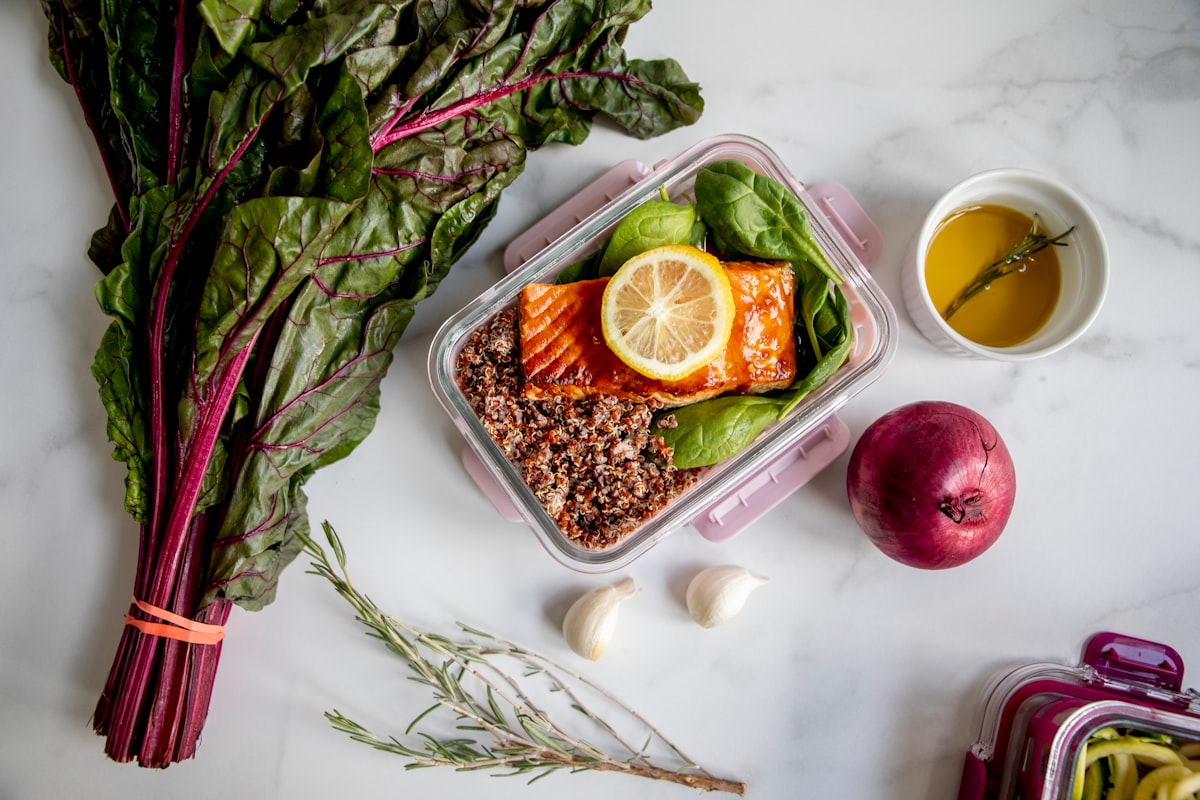
Energy and Performance
Proper nutrition fuels your daily activities, workouts, and mental clarity. Sustainable eating supports consistent energy levels without energy crashes.
Long-Term Wellness
Building healthy eating habits now supports your wellbeing for decades. Sustainable approaches beat restrictive diets that don't last.
Practical Integration
Our approach focuses on realistic nutrition strategies that work with your lifestyle, not against it. Sustainable eating fits into busy schedules.
Evidence-Based Knowledge
Our content draws from nutritional science and expert insights, helping you make informed decisions about your dietary choices.
Core Sustainable Eating Principles
Master these fundamental principles to build nutrition habits that support your health and lifestyle.
Whole Food Focus
Emphasizing unprocessed, whole foods like vegetables, fruits, lean proteins, and whole grains creates a foundation for sustainable nutrition. Minimize ultra-processed options while allowing flexibility.
Balanced Macronutrients
Proper ratios of proteins, healthy fats, and carbohydrates support energy, muscle health, and satiety. Understanding your individual needs creates sustainable eating patterns.
Hydration Awareness
Consistent water intake supports digestion, energy levels, and overall wellbeing. Learning proper hydration habits is an often-overlooked foundation of sustainable nutrition.
Meal Planning
Intentional meal planning removes guesswork from daily eating choices. Strategic preparation supports consistency and prevents impulsive, less-nutritious decisions.
Sleep and Recovery
Nutrition and sleep are interconnected. Understanding how eating patterns affect sleep quality supports overall wellness and sustainable lifestyle integration.
Flexible Consistency
Sustainable eating allows for flexibility and enjoyment. Building habits that accommodate occasional treats prevents burnout and supports long-term adherence.
Your 4-Step Journey to Sustainable Nutrition
Building healthy eating habits follows a logical progression. Understanding each stage helps you stay motivated and overcome common challenges.
Assess Your Current Habits
Track what you're currently eating. Awareness of your baseline eating patterns is the essential first step toward meaningful change.
Set Realistic Goals
Define specific, achievable nutritional targets. Small, gradual improvements create sustainable results better than dramatic overhauls.
Implement and Adjust
Start with one or two small changes. Monitor how you feel and adjust based on your experience rather than following rigid rules.
Build Long-Term Habits
Consistency over time creates automatic habits. Sustainable nutrition becomes natural rather than effortful as you progress.
Meal Inspiration Gallery
Discover diverse, delicious meal options that support sustainable nutrition for men. Each image represents balanced, whole-food approaches.

Protein-Rich Grain Bowl
Lean protein, whole grains, and nutrient-dense vegetables create a balanced meal supporting sustained energy and muscle health.

Omega-3 Rich Dinner
Fatty fish and colorful vegetables deliver essential nutrients. Omega-3 sources support heart health and cognitive function.

Nutrient-Dense Smoothie
Vegetables, fruits, and protein powder create convenient, nutrient-packed meals. Smoothies support hydration and micronutrient intake.

Muscle-Building Plate
Red meat provides iron and protein, while sweet potatoes and vegetables offer complex carbs and vital micronutrients for recovery.

High-Protein Breakfast
Eggs and whole grains start your day with sustained energy. Quality breakfast nutrition influences fullness and afternoon performance.

Balanced Snack Option
Nuts, yogurt, and berries combine protein, healthy fats, and antioxidants. Strategic snacking supports steady energy between meals.
Common Questions About Men's Nutrition
Find answers to frequently asked questions about sustainable eating, nutrition strategy, and practical implementation.
Daily protein needs vary based on age, activity level, and goals. Generally, nutrition experts recommend 0.8-1.0 grams per pound of body weight for men focused on muscle health and strength training. Less active men may require 0.6-0.8 grams per pound. Meeting protein targets supports muscle recovery, appetite control, and overall metabolic health. Spreading protein intake across meals helps optimize daily utilization.
Yes, sustainable nutrition accommodates restaurant eating. Smart strategies include choosing grilled proteins, requesting vegetable sides instead of fries, asking about preparation methods, and controlling portion sizes. Many restaurants offer whole-food options if you ask. The key is making conscious choices rather than viewing dining out as an excuse to abandon healthy patterns. Balancing restaurant meals with home-prepared options creates flexibility without derailing progress.
Quality fat sources support hormone production, heart health, and nutrient absorption. Excellent options include fatty fish like salmon and sardines (omega-3s), avocados, nuts and seeds, olive oil, and eggs. Coconut oil is another option, though saturated fat should be moderated. Including diverse fat sources ensures you receive different micronutrients and beneficial compounds. Men typically benefit from 0.3-0.4 grams of fat per pound of body weight daily, distributed across meals.
Efficient meal prep saves time and supports consistency. Start by selecting 2-3 proteins, 2-3 vegetables, and 1-2 carb sources. Prepare proteins in bulk (grill, bake, or slow-cook), chop vegetables in advance, and cook grains or sweet potatoes. Store components separately so you can mix combinations throughout the week based on preference. Investing 2-3 hours on one day provides meals for multiple days. Flexible prep (components rather than complete meals) allows variety while maintaining nutrition.
Carbohydrate timing can optimize performance and recovery when you're training regularly. Consuming carbs before workouts provides energy, while post-workout carbs with protein supports muscle recovery and glycogen replenishment. However, total daily carbohydrate intake matters more than precise timing for most recreational athletes. Focus on meeting overall daily carb needs from whole sources like oats, rice, potatoes, and fruits. As consistency and training intensity increase, timing becomes more relevant.
Micronutrients (vitamins and minerals) are essential for energy production, immune function, bone health, and hormone regulation. Men often neglect micronutrient intake by focusing only on macronutrients. Eating diverse, colorful vegetables ensures broad micronutrient coverage. Key minerals for men include zinc (red meat, shellfish), magnesium (nuts, seeds, leafy greens), and iron (beef, beans). B vitamins support energy metabolism. A varied whole-food diet typically provides adequate micronutrients without supplementation for most men.
Success Stories from Our Community
Men from across Indonesia have transformed their health by adopting sustainable nutrition principles. Here are their real experiences.
"The articles on sustainable nutrition completely changed how I approach eating. Instead of trying extreme diets, I learned to make gradual improvements that actually stick. My energy is better, I feel stronger, and best of all, this is something I can maintain for life. The practical meal prep advice saved me hours during my first week of implementation."
Rudi Santoso
Jakarta
"As someone who travels constantly for work, I thought sustainable eating was impossible. The flexibility-focused approach showed me how to maintain good nutrition even while eating out frequently. I've never felt better, and I've finally stopped the cycle of gaining and losing weight. The science-based explanations made everything click."
Ahmad Wijaya
Surabaya
"I'm 52 and thought my metabolism and energy levels were permanently declining. Learning about proper nutrition for men my age opened new possibilities. The information about protein intake, micronutrients, and sustainable approaches gave me hope. Six months in, my stamina is better, I sleep deeper, and I have the confidence that I can age well."
Budi Hartono
Bandung
"The FAQ section answered every question I had before I even asked it. The focus on realistic implementation rather than perfection is refreshing. I've tried every diet program out there, and this is the first approach that acknowledges real life. The gallery meals inspired me to try new recipes and enjoy the eating process again."
Doni Kusuma
Medan
Deepen Your Nutrition Knowledge
Explore our comprehensive guides, detailed nutrition tips, and evidence-based strategies for sustainable eating. Discover articles written by nutrition experts and experienced practitioners.
Start Your Sustainable Eating Journey Today
Whether you're starting from scratch or refining existing habits, our content supports men at every stage of their nutrition journey. Explore our resources, learn from the community, and discover the sustainable approach that works for your life.
For editorial questions or content feedback, contact us at [email protected]